 LUMP Depot
I Built a Leaderboard for Code Nobody Wrote
Everybody is shipping slop and there's nowhere to put it. So I built the trough. Add one file to your repo and the crawler lists you.

The ingredients in the slop we turn into a stew, or something.
Everybody is shipping slop and there's nowhere to put it. So I built the trough. Add one file to your repo and the crawler lists you.
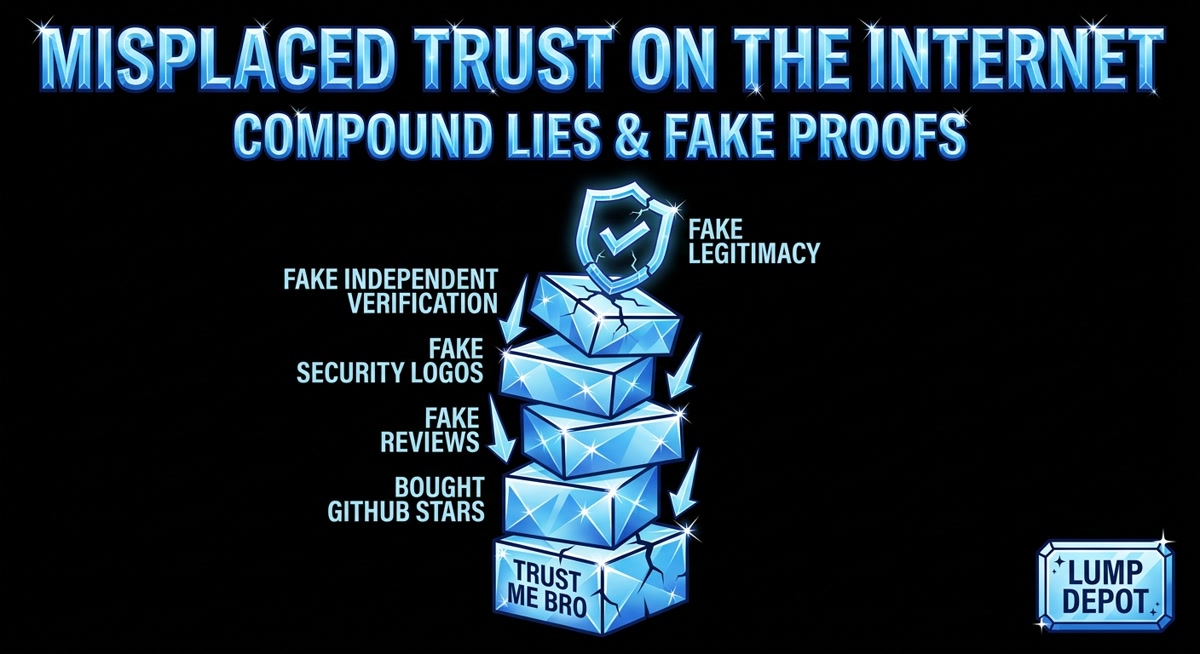
You can buy a thousand GitHub stars for a few bucks. That's the whole problem with trust online: every proof leans on another proof, and a compound liar just stacks fake ones until the pile looks legit.
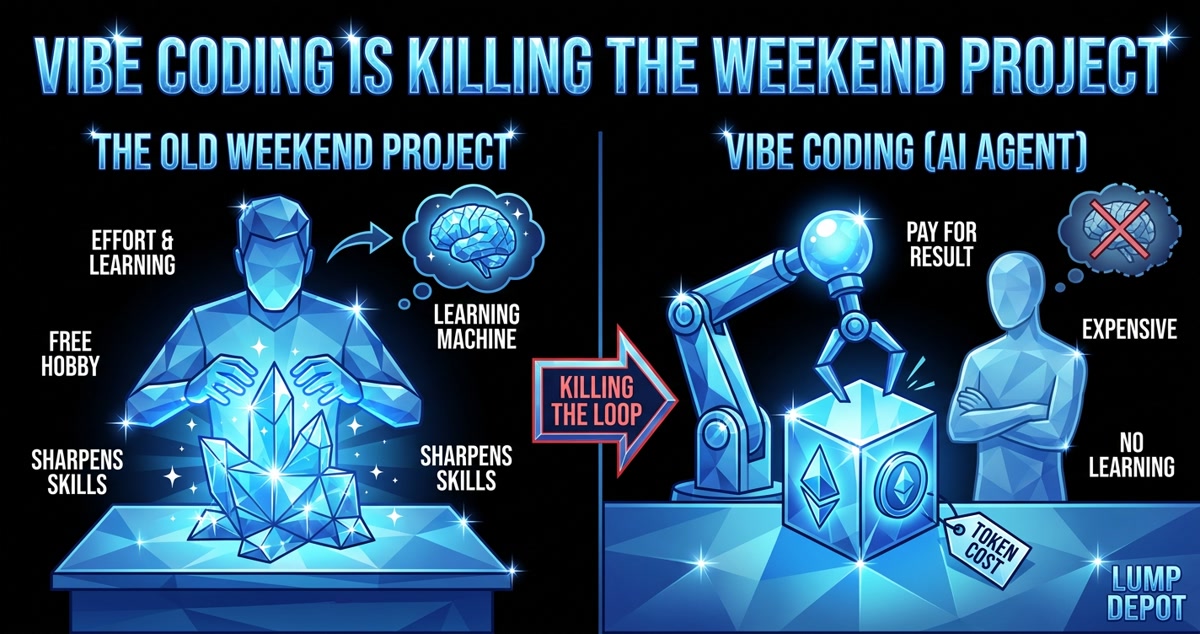
We worry about junior devs in the AI era, but seniors are losing something too. The weekend project used to be a free way to learn. Now you pay tokens for a result that teaches you nothing.
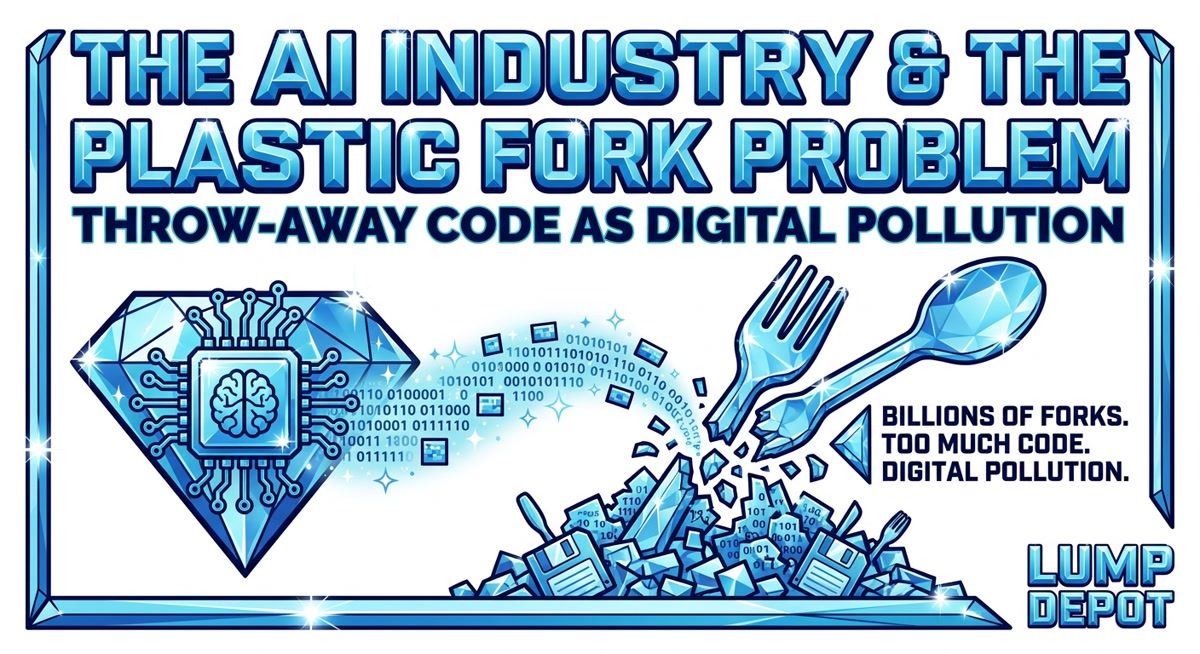
AI makes throw-away code as cheap as a plastic fork. We're about to find out what happens when an industry can produce more garbage than it can ever clean up.

Every tool buries your token spend behind a settings page. If every token also showed the API price it would have cost, you could finally compare. It's just unit pricing for a can of beans.
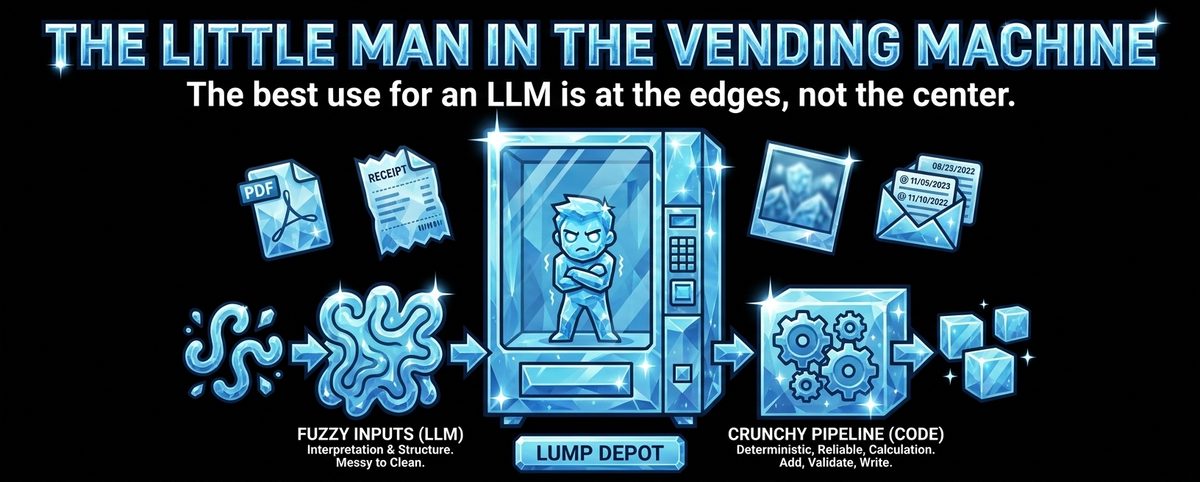
The best use for an LLM in production is the fuzzy stuff at the edges, not the crunchy work in the middle. It's the mold on the toast, not the toast.
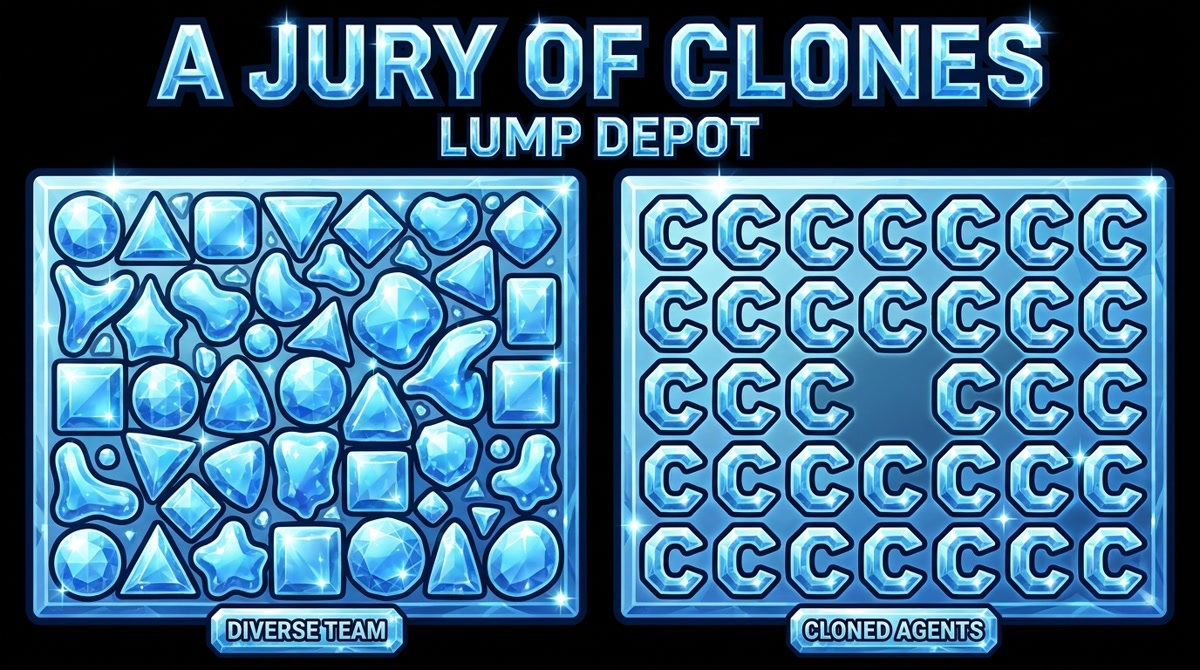
Spinning up more agents doesn't create diverse thinking. A team of Claude clones approaches every problem the same way, and the gaps in coverage are the same gaps every time.
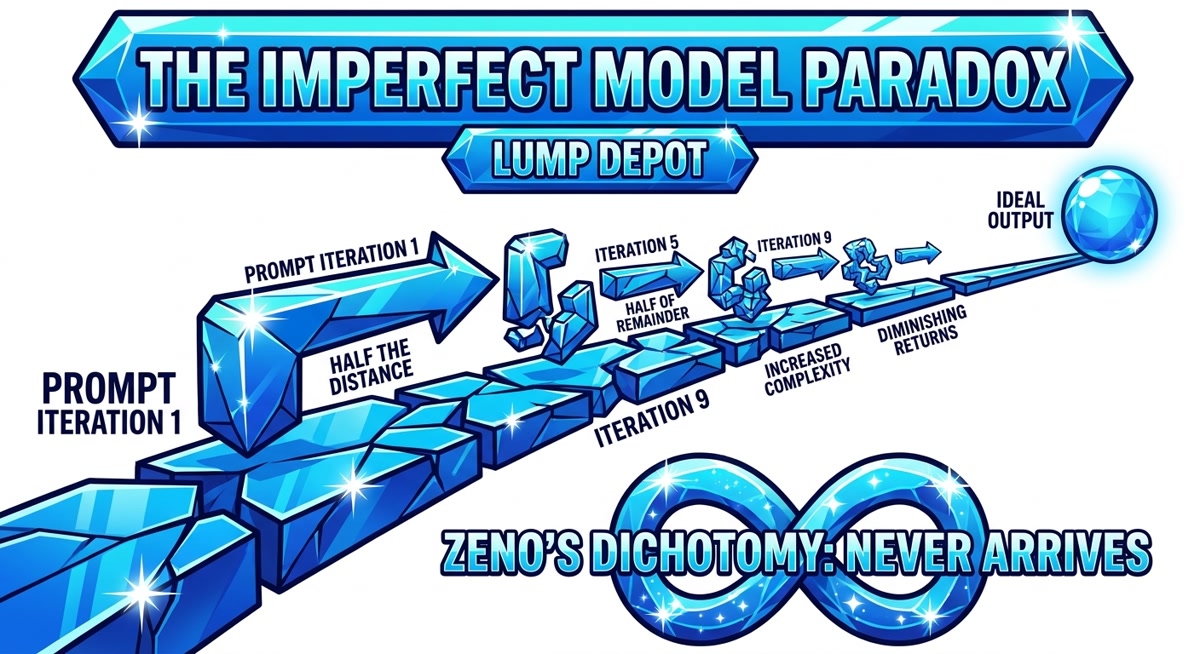
AI prompting follows Zeno's Dichotomy Paradox: the more you shape a result, the tighter and more complicated it gets, but it never quite arrives. Proposing the Imperfect Model Paradox.
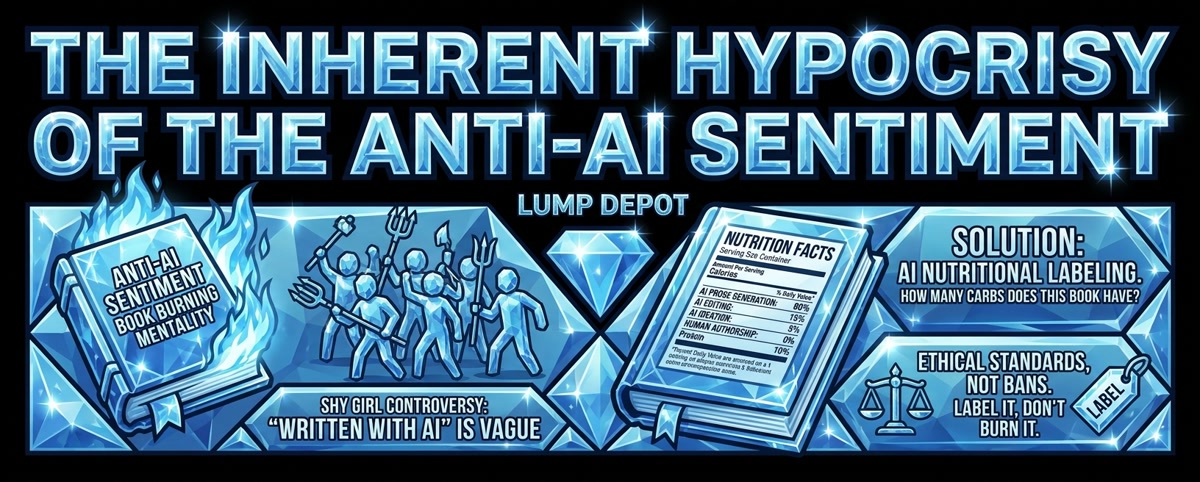
The Shy Girl controversy showed us we don't have ethical standards for AI in publishing yet. Instead of banning tools, we need labeling. How many carbs does this book have?
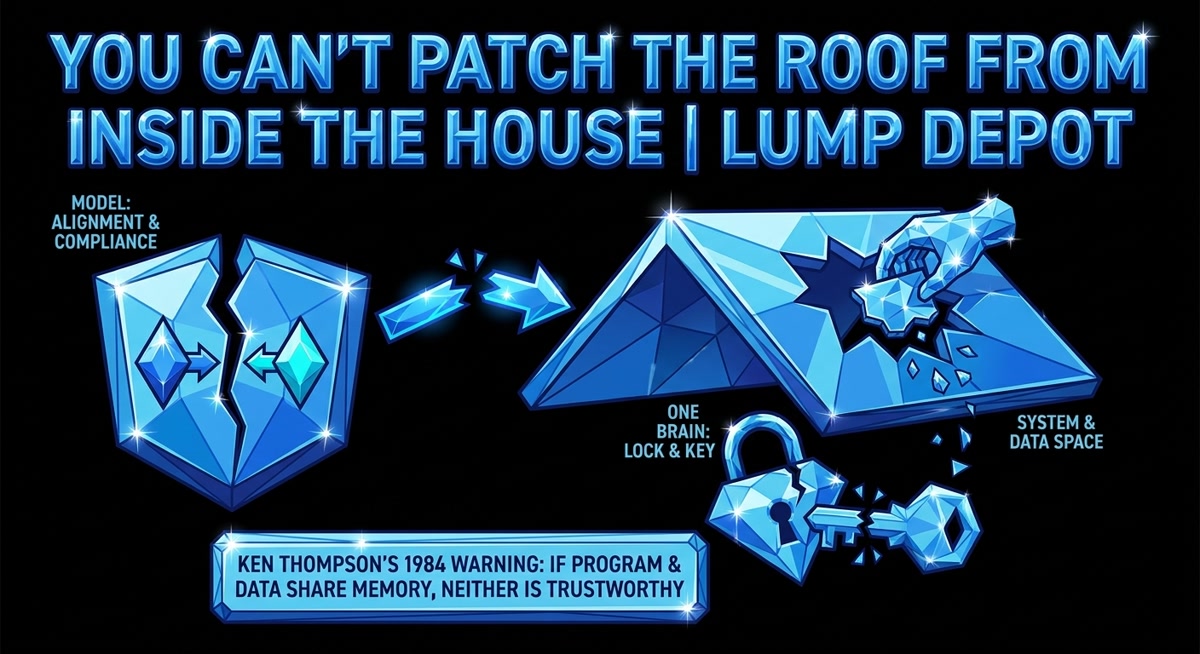
The Gay Jailbreak turns a model's own alignment against itself, and it's the same flaw Ken Thompson described in 1984: when the program and data share the same space, you can't trust either one.
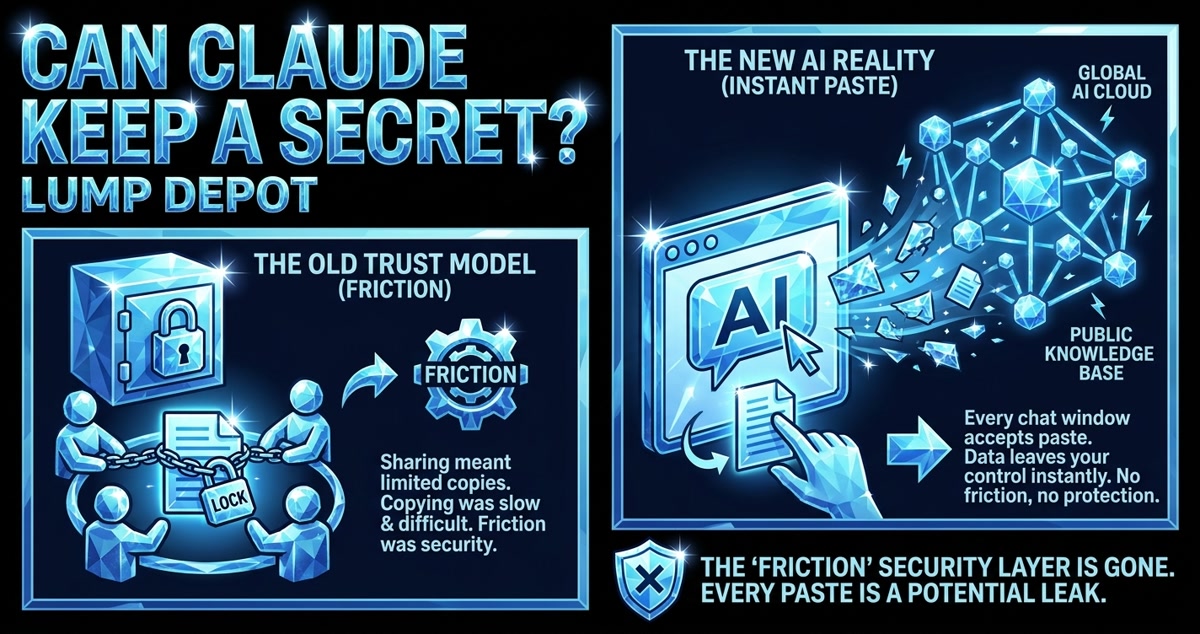
Protecting your secrets used to mean trusting the right people. Now every trusted person has an AI chat window that accepts paste, and the old model of sharing in confidence is quietly broken.

AI vendors are selling speed before safety. Ten times zero is still zero, code review is the new drudgery, and senior devs are burning out before anyone thinks to ask who trains the next generation.
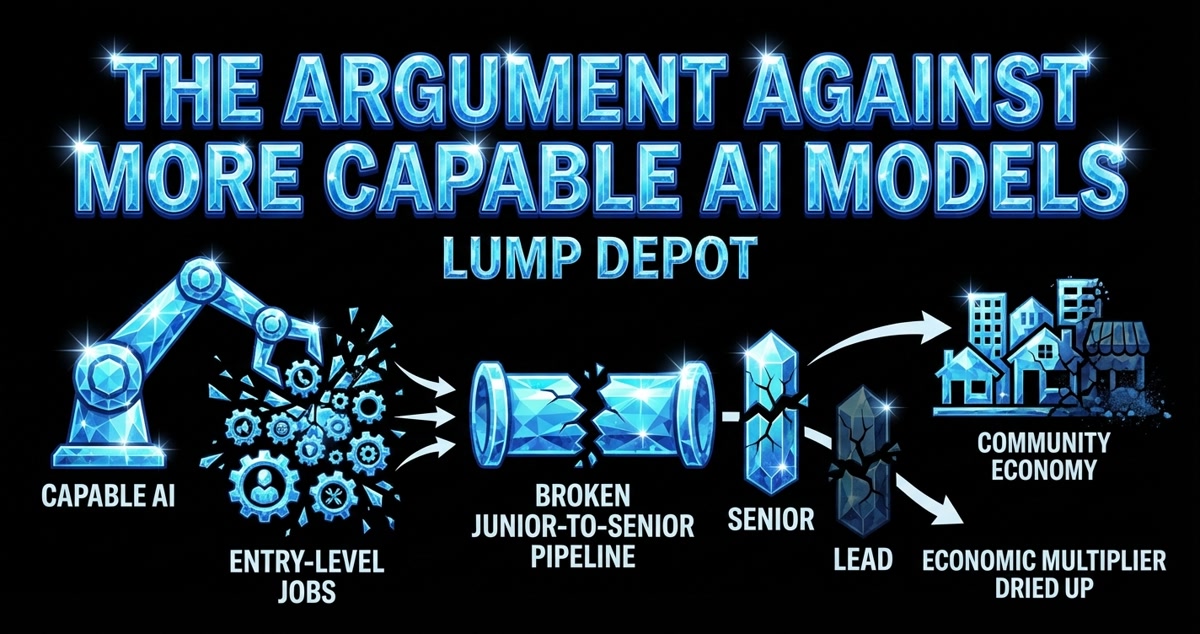
More capable AI isn't the win you think it is. When entry-level jobs vanish, the junior-to-senior pipeline breaks, and the economic multiplier that keeps communities alive dries up.
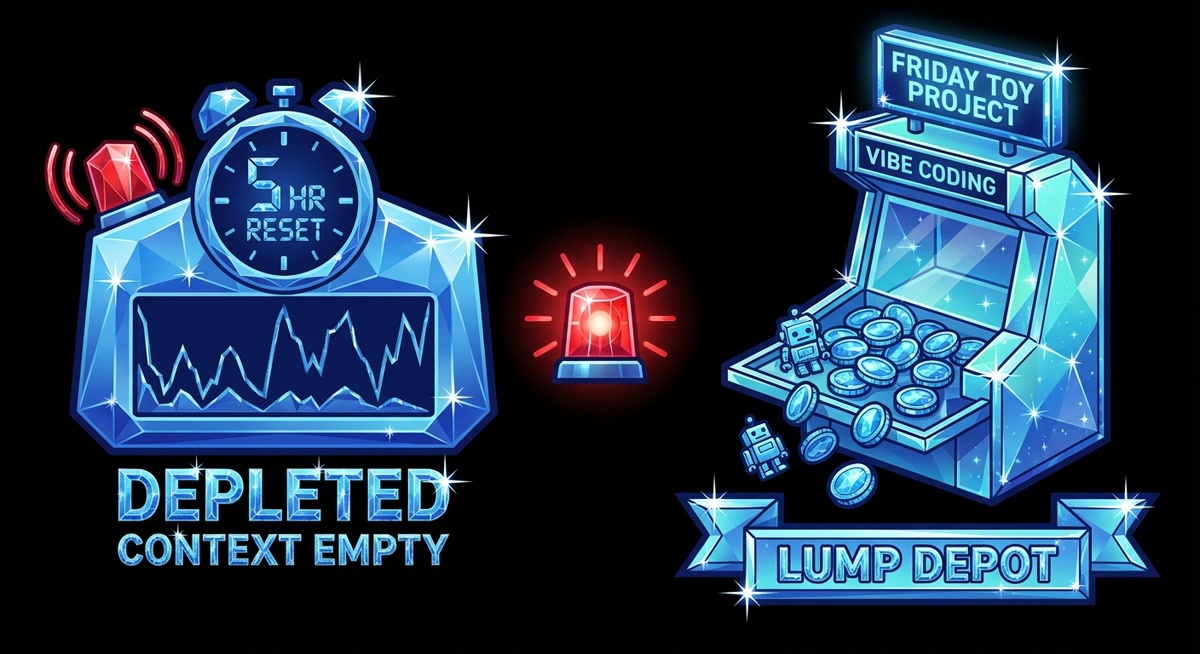
I burned my whole AI context window on a single vibe-coding ask before a production incident. Out of context when it mattered: pay for more or wait hours for a reset. A new kind of footgun.
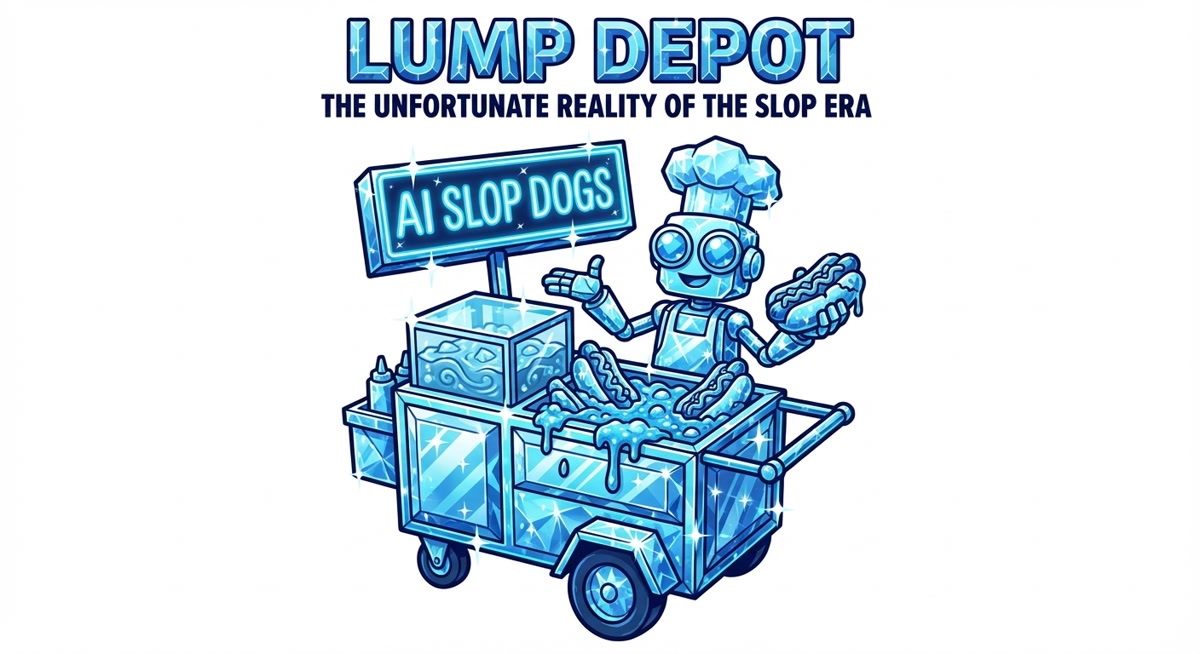
Everybody is shipping code now. Your neighbor, your postman, even the dog. But shipping code and releasing tested, reliable products are not the same thing. We're in the slop era and the food poisoning is just getting started.
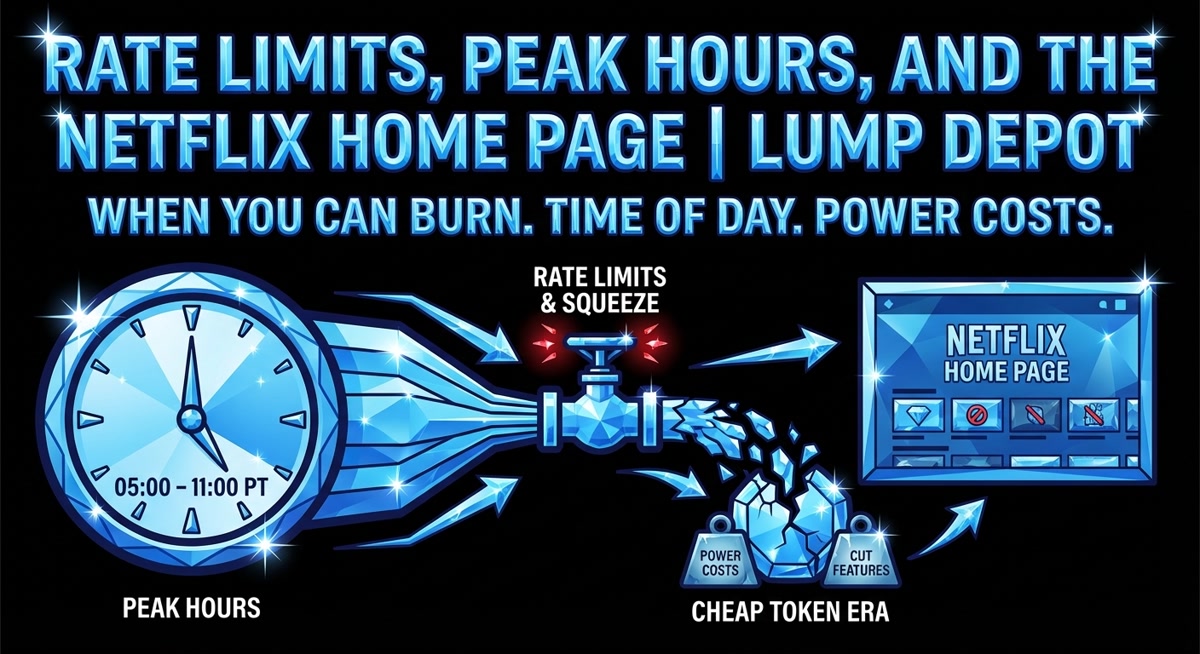
The 10x test was only part of the story. Vendors are now shaping when you can burn through your session. Peak hours, cut features, and power costs are squeezing the cheap-token era from every side.