 LUMP Depot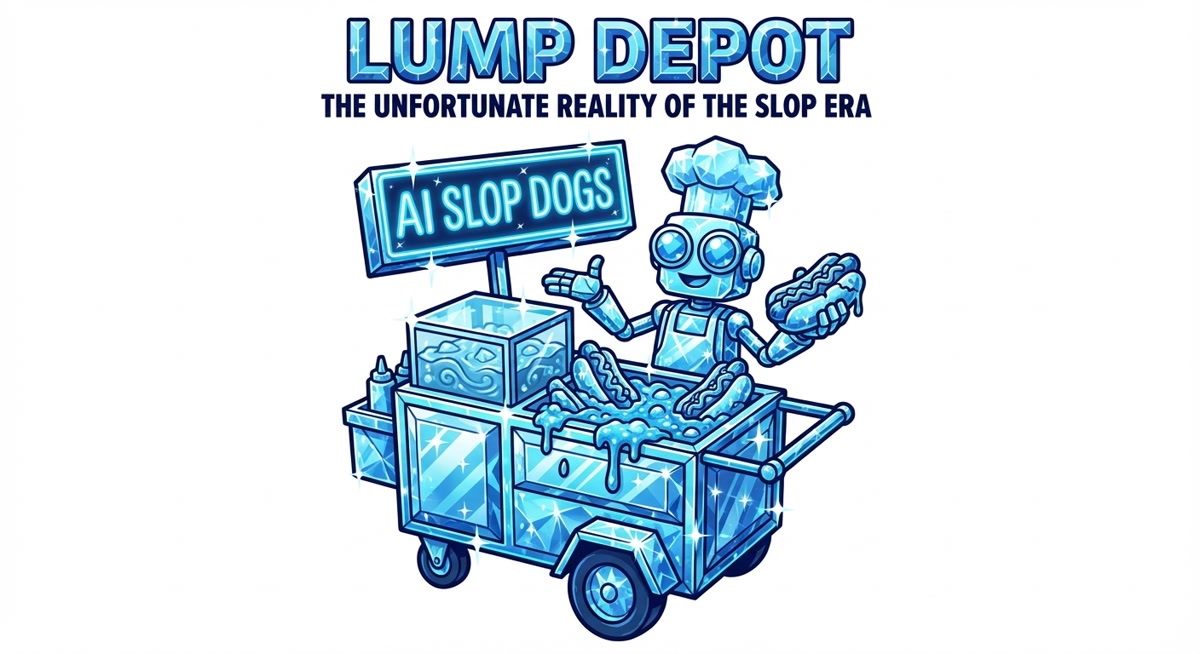
We live in a time when your neighbor is shipping. Your postman is shipping. The UPS guy is shipping. I'm not talking about dropshipping. I'm talking about code. If the dog had a Claude subscription it'd be shipping too.
And I get it. The barrier to entry is basically gone. You can sit down with an agent, describe what you want, and watch real code appear in front of you. It's genuinely impressive. But I think the unfortunate truth is that publishing code and releasing tested, reliable, professional software are not the same thing. Not even close.
Everybody has a hot dog cart
Here's how I keep picturing it. We used to have FDA-inspected restaurants with trained chefs, tested recipes, proper kitchen hygiene. Not perfect, but there was a system. Health inspectors showed up. People got fired when the walk-in fridge broke and nobody noticed.
Now everybody has opened a hot dog cart on the side of the road and is pretending it's the same thing. Worse: they all have identical dirty water dogs and don't wash their hands. The cart looks fine from across the street. You'd have to eat there to find out.
That's the slop era. The output looks like software. It ships like software. It just doesn't hold up like software when real users start poking at it.
The testing gap nobody talks about
The commodification of code has made people forget what testing actually means. Or maybe they never knew. Having the agent write tests alongside your feature is a good start, but that's just unit testing. It's the bare minimum.
There's also acceptance testing: does this feature actually do what the user asked for? Integration testing: does it break the three other things it touches? Regression testing: did we just reintroduce the bug we fixed last month? Freeform testing: what happens when somebody does something you didn't expect, which they will, every single time?
Companies have been paying for these layers for years. QA teams, staging environments, test plans, release checklists. The AI agents only pretend to cover that ground. They'll write you a clean test suite that passes and still miss the thing that takes down prod on a Tuesday afternoon.
Preventable disasters, nobody listening
We're entering an era of preventable bugs and preventable disasters. The cautious devs see it coming. They've seen it before. But nobody is listening to them because the unfortunate reality is that to keep your spot as a professional developer, you need to run faster than all the amateurs who are pretending your career is as easy as making a hot dog.
You can't just opt out. The tools are real and they're fast and if you don't use them you're slow. So you have to adopt the same tools to keep pace. The difference is learning how to use them better: knowing when the agent's test coverage is actually covering something, knowing which questions to ask before you push, knowing where the integration seams are and that the agent probably didn't think about them.
Food poisoning season
I'm confident the industry will figure this out. It always does, eventually. The "move fast and break things" crowd gets humbled once enough things break in production and real money is on the line. Standards emerge. Best practices solidify. Someone writes the testing framework that makes agents actually good at regression suites instead of just spitting out green checkmarks.
But it's going to take some time. And a lot of people are going to get metaphorical food poisoning before we get there. Some of it will be minor: an app that crashes, a feature that silently corrupts data, a login flow that doesn't actually validate anything. Some of it won't be minor at all.
tl;dr: shipping code is not the same as shipping software. The slop era is here, the hot dog carts are everywhere, and the health inspector hasn't shown up yet. If you're a professional dev, you can't ignore the tools, but you can be the one who actually washes their hands. That's the gig now.